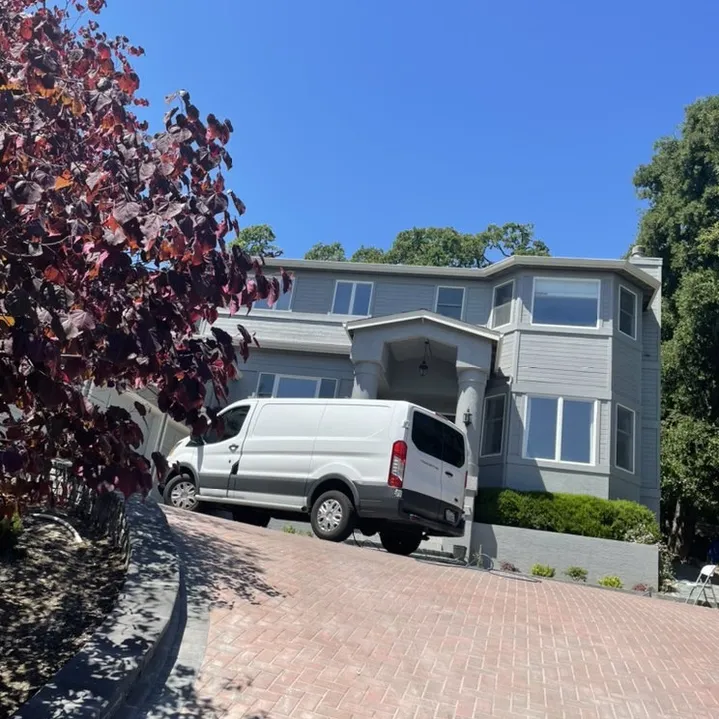
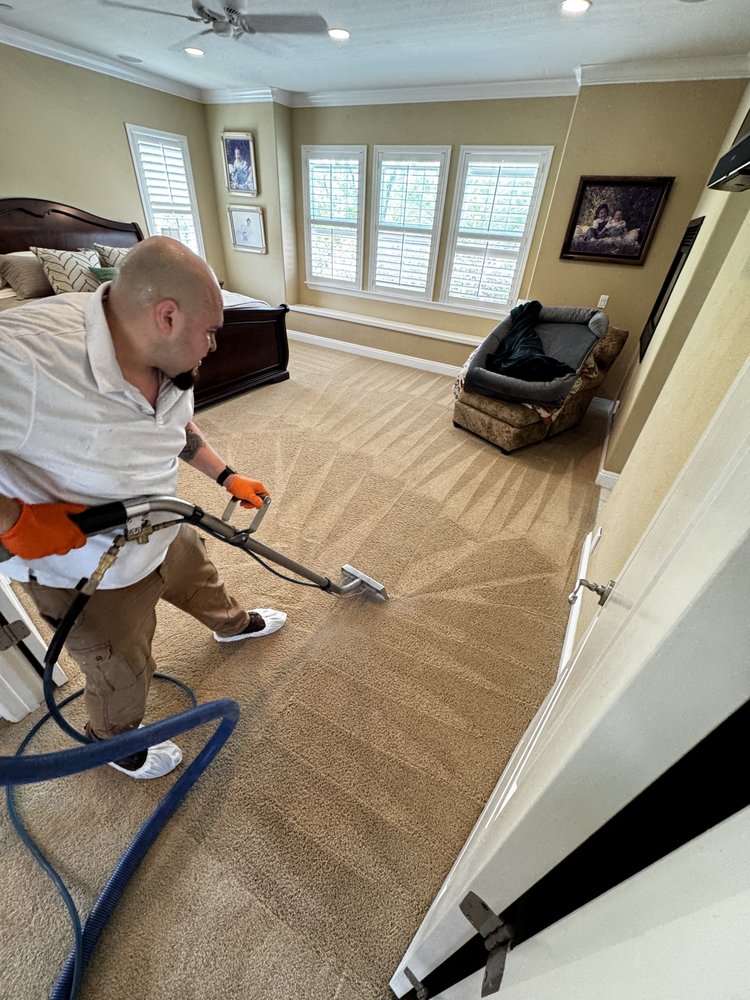
The typical home near Coyote Point was built around 1978. That's not ancient, but it's old enough to matter when you're talking about carpet.
Forty-plus years of foot traffic does things to carpet that most people don't see until they pull back a piece of furniture. The padding underneath compresses. Subflooring shifts. And the carpet fibers themselves hold decades of dust, skin cells, and whatever the previous owners left behind. We see this constantly in the ranch-style homes and split-levels along Roberta Drive and the streets that wind toward the bayfront.
Here's what makes late-1970s carpet installs tricky:
- Original carpet padding from that era was often thinner foam that breaks down into powder over time, trapping odors beneath the surface
- Tack strips along baseboards corrode in homes close to the bay, where salt air creeps in through single-pane windows
- Many Coyote Point area homes got carpet laid directly over hardwood, creating a moisture pocket that feeds mildew if spills aren't extracted fast
- Shag and dense-loop styles popular in the late '70s grab pet hair and allergens deep in the pile where vacuums can't reach
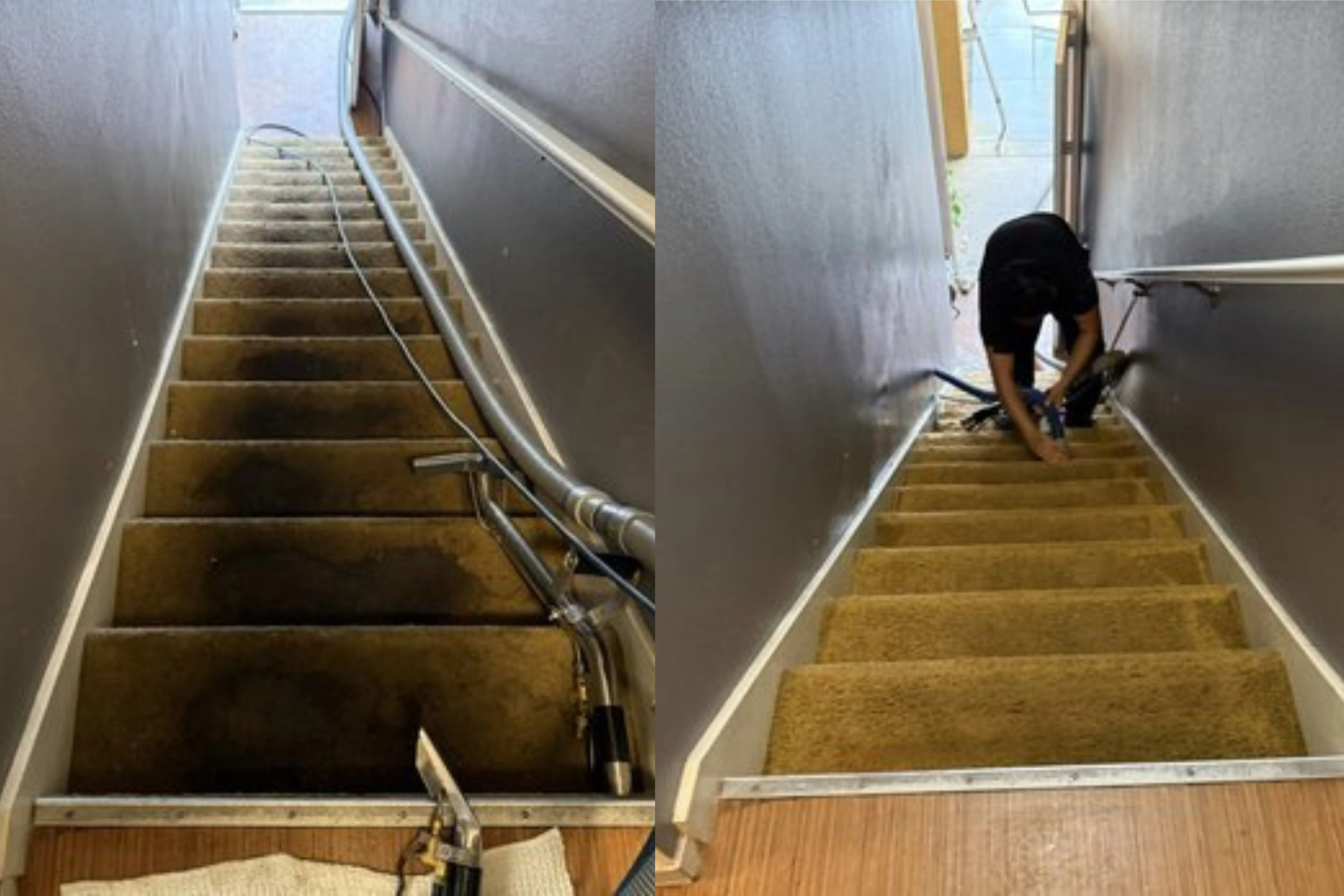
About half the homes in this tract are single-family detached. That means big living rooms, long hallways, stairs. Lots of carpet square footage per household. And with a median household income north of $120,000, homeowners here tend to invest in keeping their places in shape rather than letting things slide. They want carpet steam cleaning done right, not a quick surface pass.
We're out in the Coyote Point neighborhood regularly. One thing we notice is how many homeowners have replaced carpet in the main rooms but left the original install in bedrooms and closets. Makes sense from a budget standpoint. But those forgotten rooms collect the worst buildup because nobody thinks to clean what guests don't see.
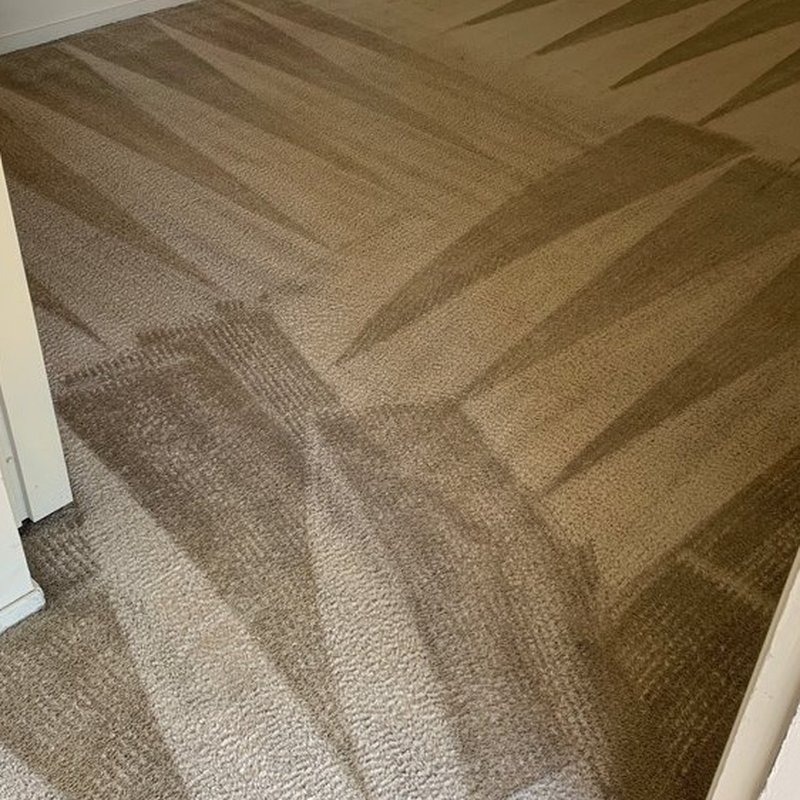
A common call we get from this area goes something like this: a homeowner near Peninsula Avenue pulls up a bedroom dresser they haven't moved in years. The carpet underneath is a completely different color. They vacuum, it doesn't help, they realize the discoloration isn't surface dirt. It's ground into the fiber and the pad below. That's a deep cleaning job, sometimes paired with carpet restoration if the fibers are matted flat.
The renter side of the neighborhood has its own patterns. With over 40% of units renter-occupied, we handle a lot of move out cleaning for property managers between tenants. Apartment complexes along Coyote Point Drive and the buildings closer to J. Hart Clinton Drive cycle through renters every year or two. Carpet steam cleaning between tenants isn't optional there, it's the bare minimum to get a unit ready.
But here's what people miss about older carpet in humid, bayfront-adjacent homes. Moisture from fog and marine air settles into fibers overnight. You can't feel it. Over months it creates conditions where mildew starts low in the pile. By the time you smell something musty, the problem's been growing for a while. That's why we push carpet steam cleaning on a regular schedule for homes in this part of San Mateo, not just when something looks dirty.
Homes built in '78 are solid. Good bones. The carpet just needs someone who understands what four decades of life does to flooring in a coastal neighborhood.